The Historic Buldan Houses
Timber-framed houses with bay windows projecting over the street; a town fabric protected as an urban conservation area.
A light cloth woven from fine cotton yarn and recognised by its crinkled surface; the geographical indication applied for in 2010 was completed in 2016.
Buldan cloth is a light fabric woven from very fine cotton yarns. What makes it recognisable is the deliberate crinkle of its surface: the cloth sits creased rather than flat, so it does not cling to the skin and air passes underneath it.
These properties are the reason it is used in summer clothing and in home textiles — peştamal wraps, shirts, dresses, covers. It is a cloth that asks for no ironing; the creasing is not its fault but its character.
Buldan Cloth is registered as a geographical indication with the Turkish Patent and Trademark Office. The type of registration is a mahreç işareti, an indication of source: the product's distinguishing quality is tied to its geographical origin, but every stage of production is not required to take place in that locality.
The application was made on 27 January 2010 by the Buldan Chamber of Commerce; the registration was completed on 14 March 2016, under number 194. The phrase often heard in the town, 'it was registered in 2010', names the year of the application — the document itself belongs to six years later.
Registration means the protection of the name: a product sold under the name Buldan cloth is expected to meet the conditions of the registration. In practice this does not make it unnecessary to ask the seller where the cloth was woven while you are shopping.
The difference between a mahreç işareti and a menşe adı comes to this in practice: with an appellation of origin every stage of production must take place in the registered geography, whereas with an indication of source it is enough that at least one stage takes place there. The registration of Buldan cloth is of the second kind.
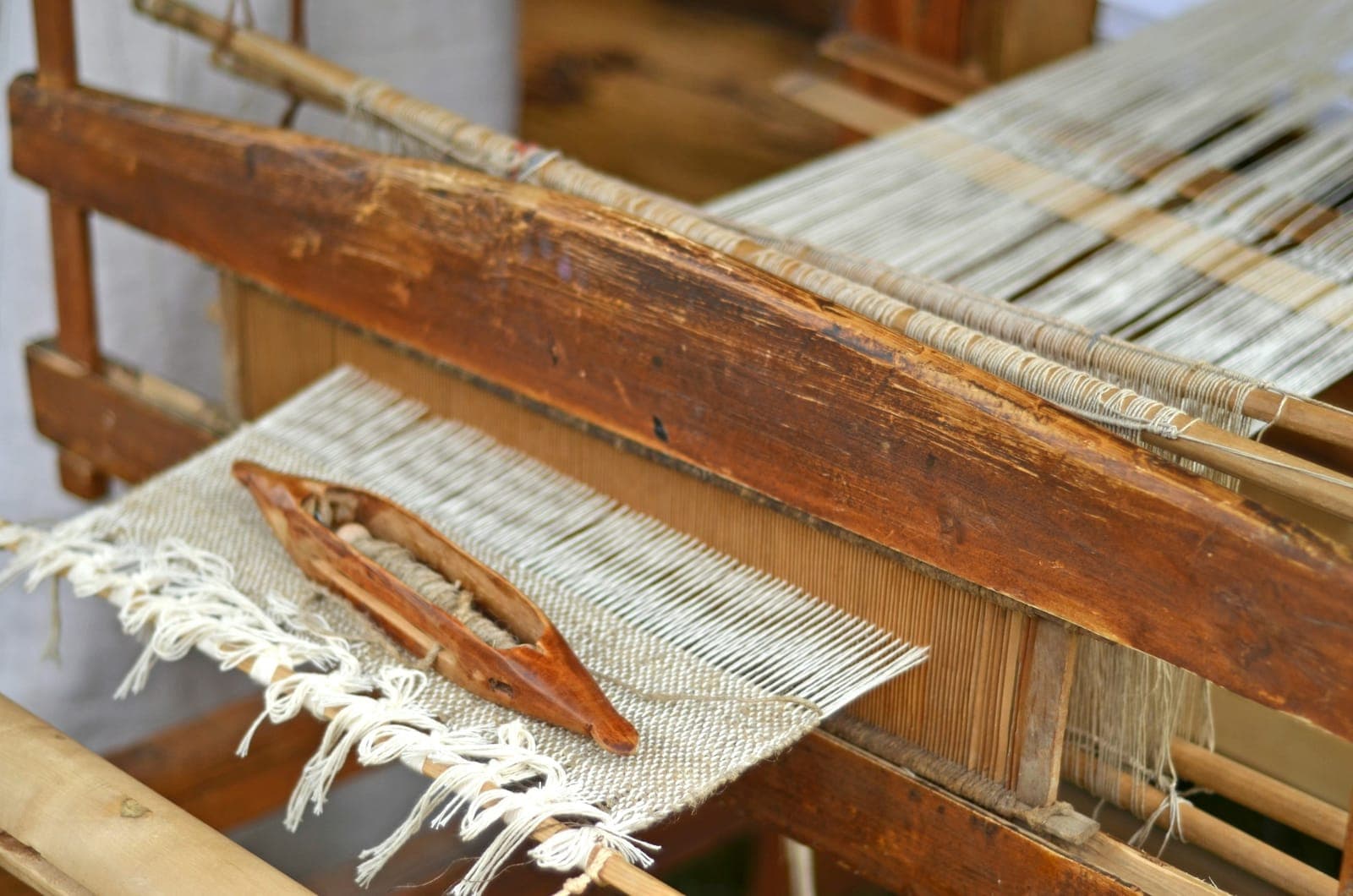
In Buldan weaving is the work not of one large factory but of a great many small workshops; some of them are still on the ground floor of houses. This scattered arrangement is why you can hear the sound of a loom while walking the streets of the town.
In the same province, in central Denizli, there is a large-scale textile industry. Buldan's loom is not a shrunken version of that industry; it is a separate tradition that came before it and goes on alongside it.
It is worth knowing that not everything sold in the town came off the same loom: the woven cloth and the item sewn from that cloth are the work of different hands. Asking where the cloth was woven before you buy completes the rest of what the registration can do on your behalf.
Timber-framed houses with bay windows projecting over the street; a town fabric protected as an urban conservation area.
An ancient city founded on the bank of the Menderes, in the Yenicekent quarter of Buldan; standing where Lydia, Phrygia and Caria meet, it was known by three names.